The problem
Inefficiency and complexity in the construction material procurement process, which often involves navigating complicated supply chains, dealing with inconsistent pricing, managing inventory levels, and ensuring timely delivery, all of which can lead to project delays and cost overruns.
The solution
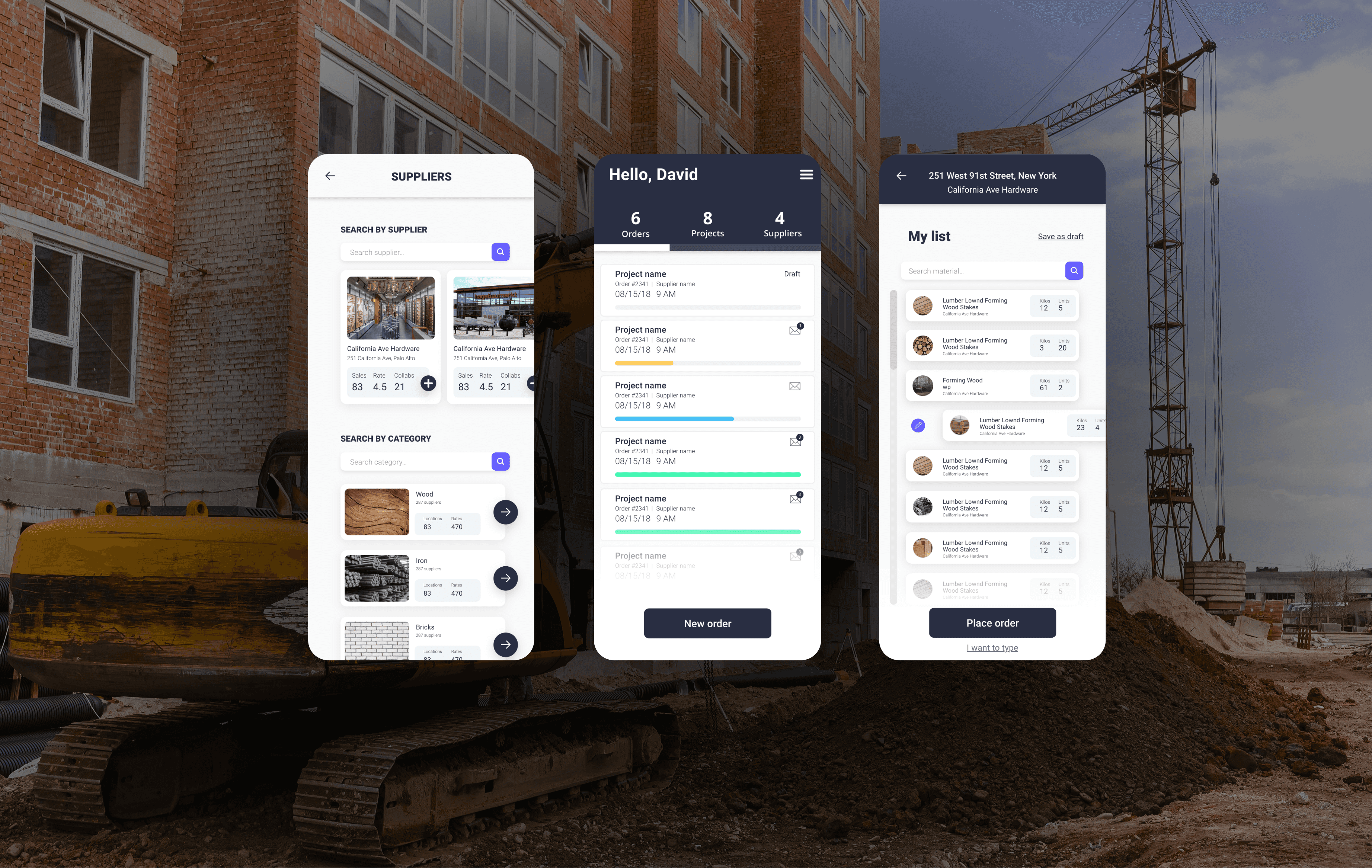
Mobile app that streamlines the procurement process by enabling users to browse materials, compare prices, manage inventory, and communicate with suppliers efficiently and in real-time.
My role
User Research | Ideation and Strategy | UX and UI Design | Usability Testing and
Prototyping | Branding and Illustration
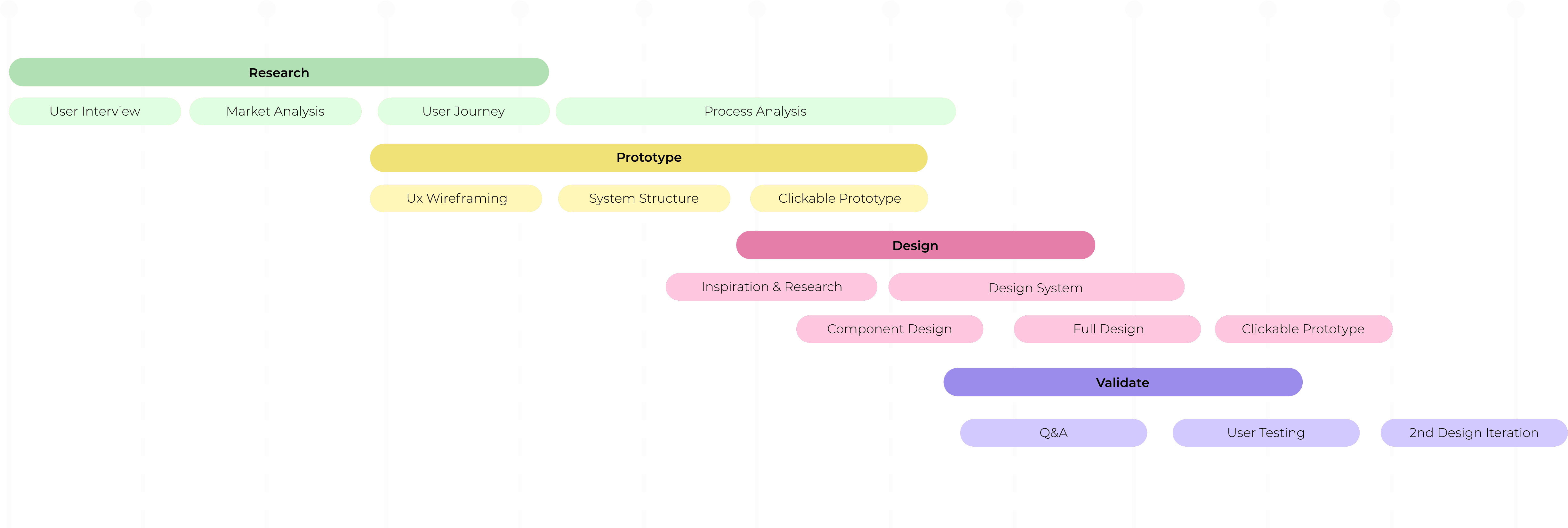
The road map
🏔️
The challenges
Designing a construction material procurement app presents several unique challenges due to the complex nature of the construction industry and the specific needs of its users.
Complexity of Material Specifications
Construction materials vary greatly in type, size, specifications, and application.
Inefficient Procurement Process
Traditional procurement of construction materials is slow and cumbersome.
Adoption of Digital Solutions
Digital solutions in construction may face resistance due to entrenched workflows and tech barriers.
Diverse User Base
Designing an app for diverse construction professionals, from experts to novices, is crucial.
🔍
The research
Understanding Procurement Needs in Construction
The research involved conducting user interviews, surveys, and observational studies with stakeholders in the construction industry to understand their current procurement process, pain points, and preferences for digital tools. Additionally, competitive analysis, industry trend research, and contextual inquiries provide insights into existing solutions.
Collect data
Observational Studies
Competitive Analysis
Industry Trends and Best Practices
👨🏻💼
Construction Project Manager (CPM)
needs
The CPM oversees multiple projects, needing streamlined procurement for timely material delivery within budgets. They require access to materials, real-time order tracking, and cost management tools.
Goals
The CPM aims for efficient material procurement to meet timelines and budgets, ensuring quality and compliance while streamlining administrative tasks for more focus on project planning and oversight.
Pain points
Managing procurement across multiple projects can be overwhelming, especially when dealing with diverse material requirements and suppliers.
👷🏻♂️
Independent Contractor
(IC)
needs
The IC, often on smaller projects, needs a convenient, cost-effective material procurement solution. They require access to diverse materials tailored to project needs, with features for easy price and specification comparison.
Goals
To procure high-quality materials at competitive prices, minimize administrative overhead, and maximize project profitability. They streamline the process to avoid delays and ensure timely access to needed materials.
Pain points
Balancing the demands of project management, client communication, and procurement, particularly when working on multiple projects simultaneously.
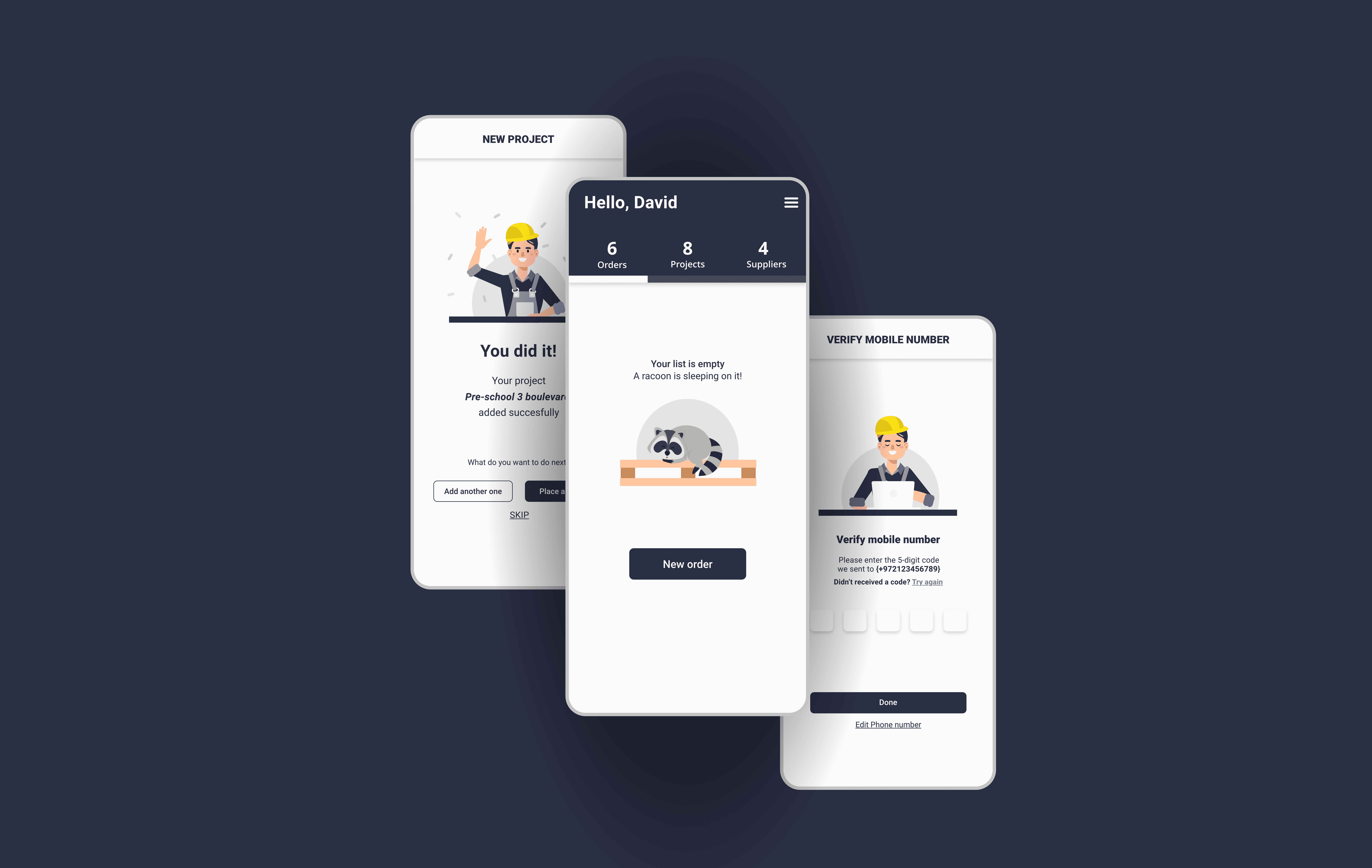
User needs
With help from the founders of the app, we observed users in their natural environment to understand how they currently procure construction materials, including the tools and processes they use, challenges they encounter, and opportunities for improvement.
constructor
“
Most of our process is manual - starting with conversations with the buyers, receiving the order, communicating with the courier and even interfacing with the accounting department.
supplier
“
Our product catalog is displayed on our website, when a contractor places an order, he does not have the catalog in front of him and the conversations drag on with questions about types of materials and prices.
No spendings control
“
A main problem I have is that every morning when I arrive at the construction site, new problems arise that need to be solved. Most of the time it’s procurement-related issues, and I have to chase down vendors to help me resolve these issues.
constructor
“
🎯
The solution
Bridging the Gap Between Contractors and Suppliers
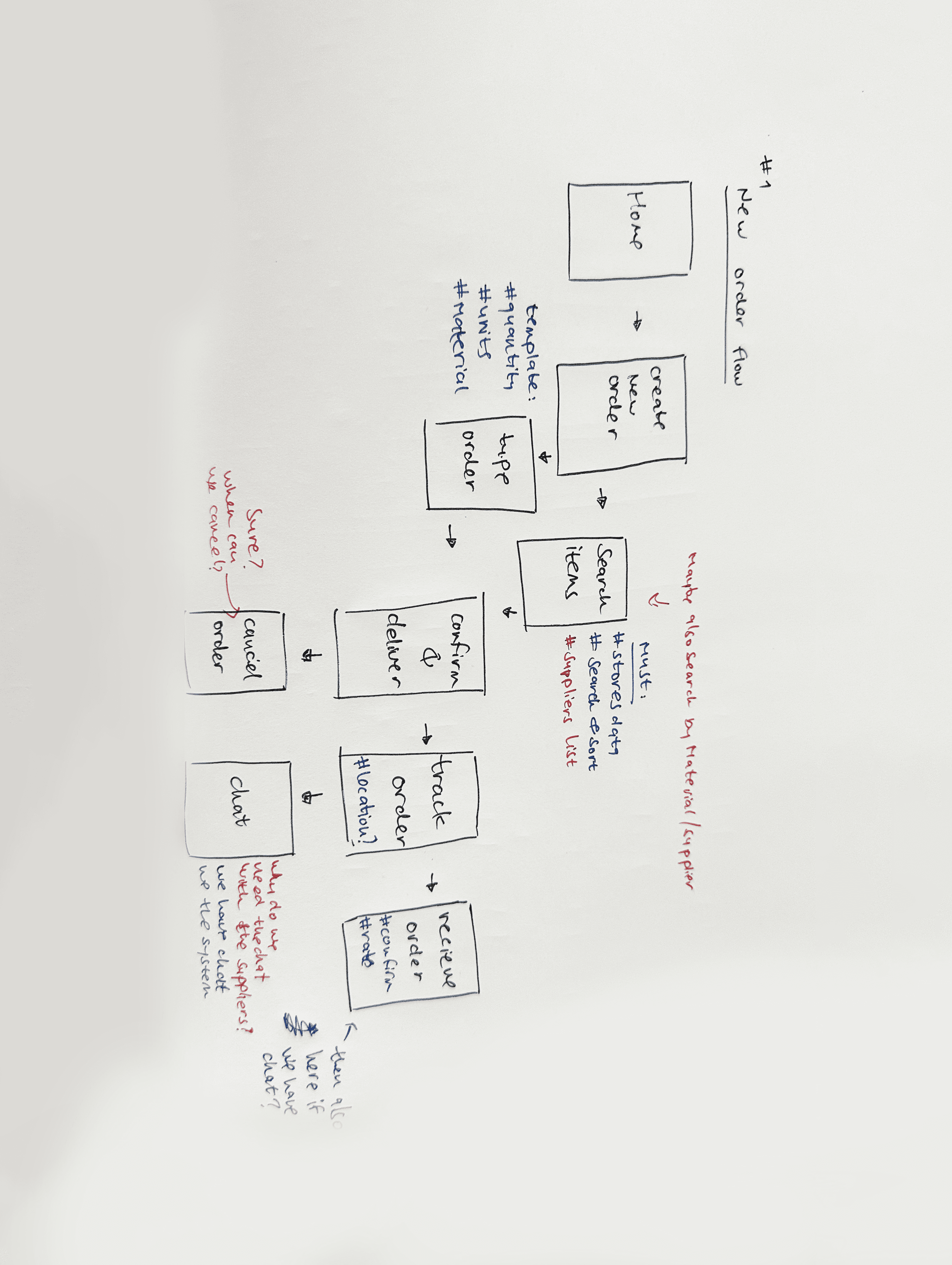
After researching user needs, I aimed to develop a procurement management system that simplifies the purchase order process for non-tech-savvy contractors and suppliers. The challenge was to cater to two distinct users: contractors needing a quick and straightforward ordering process and suppliers managing orders, procurement, accounting, and inventory tasks. My goal was to create a system that is simple, accessible, and facilitates a smoother process for both parties.
Core features
procurement
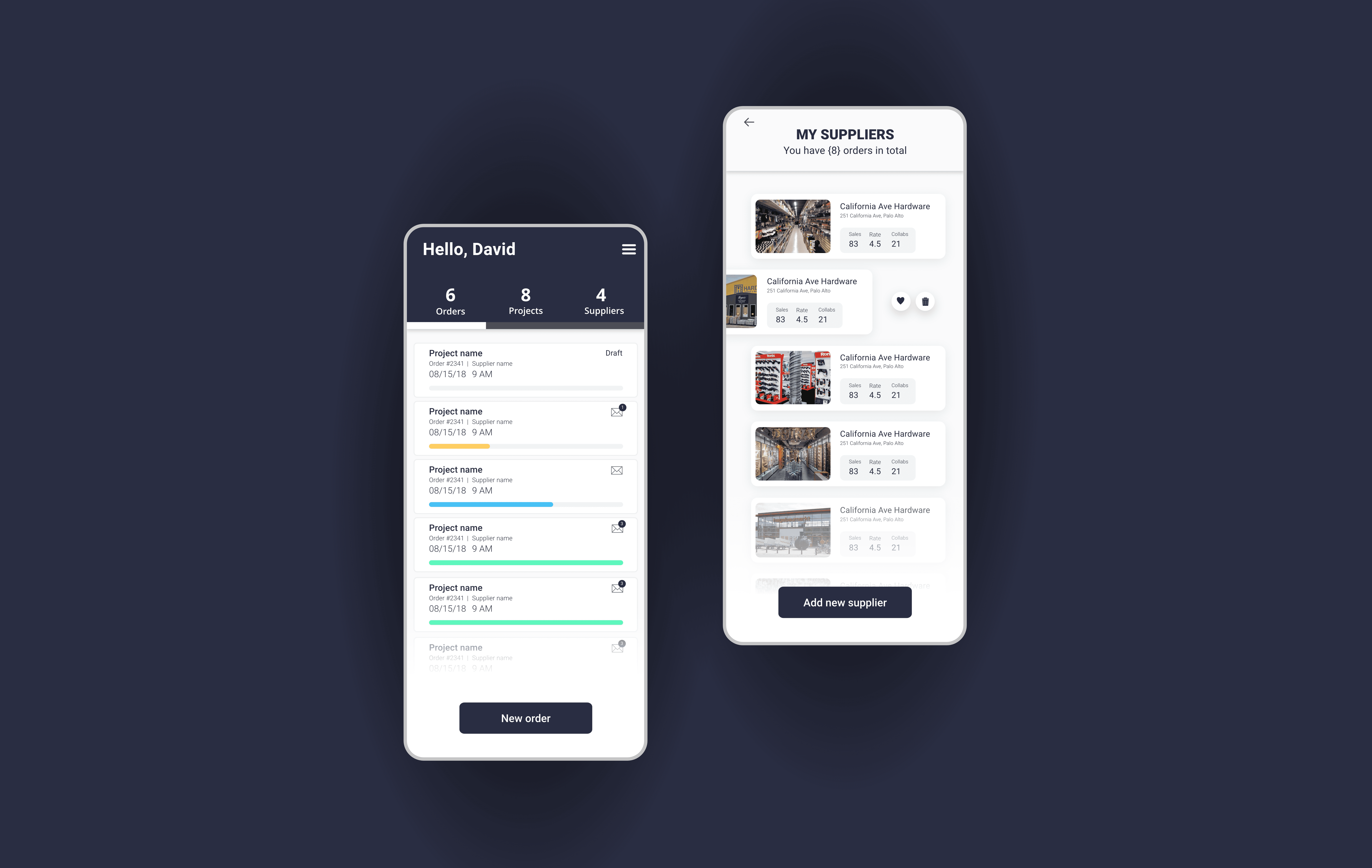
This feature streamlines sourcing, selecting, and purchasing construction materials. Users can place orders directly, manage supplier relationships, and integrate with budgeting tools.
Inventory
Users track material availability, movement, and storage in real-time, with notifications for low stock and streamlined stocktaking. Warehouse tools and reporting offer insights for optimized inventory strategies.
Accounting
Users handle financial transactions, including invoicing, expense tracking, and payments, integrated with budgeting tools for real-time monitoring and compliance reporting.
From insight
Constructers are no tech- savvy people Will have hard time understanding and using new system
💎
The supplier should follow up on all orders and make sure they are delivered and paid for
💎
It is difficult for the buyer to compare prices and know how much his order costs until after the order is completed
💎
The supplier has to do a manual process of interfacing with the accounting after each order
💎
To solution
Easy, accessible platform Clear and easy-to-use interface
🎉
Real-time inventory and expense dashboard by project
🎉
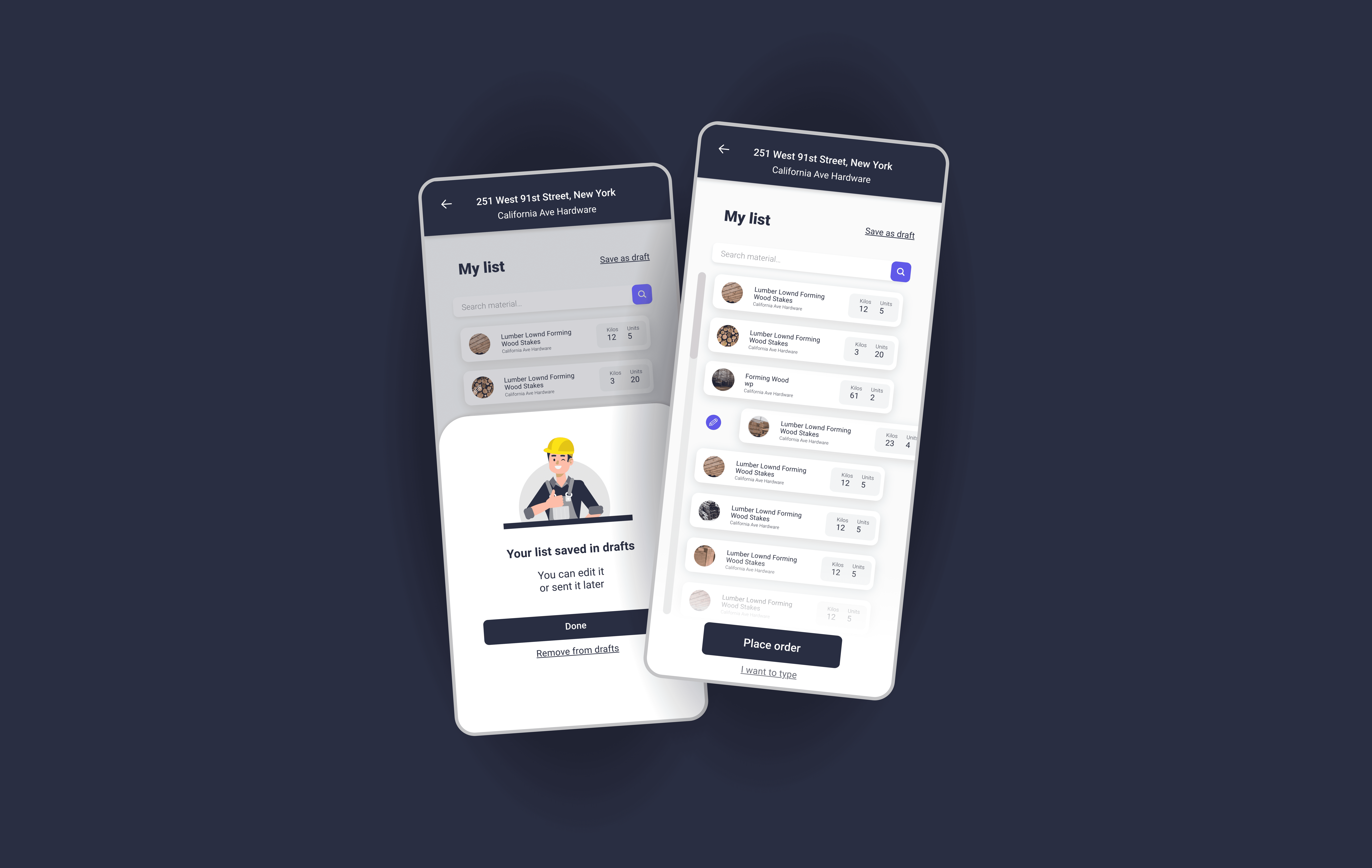
Simple and clear order process, while comparing prices and being able to control quantities
🎉
Interfacing with the invoice system and accounting.
🎉
✏️
Wireframes
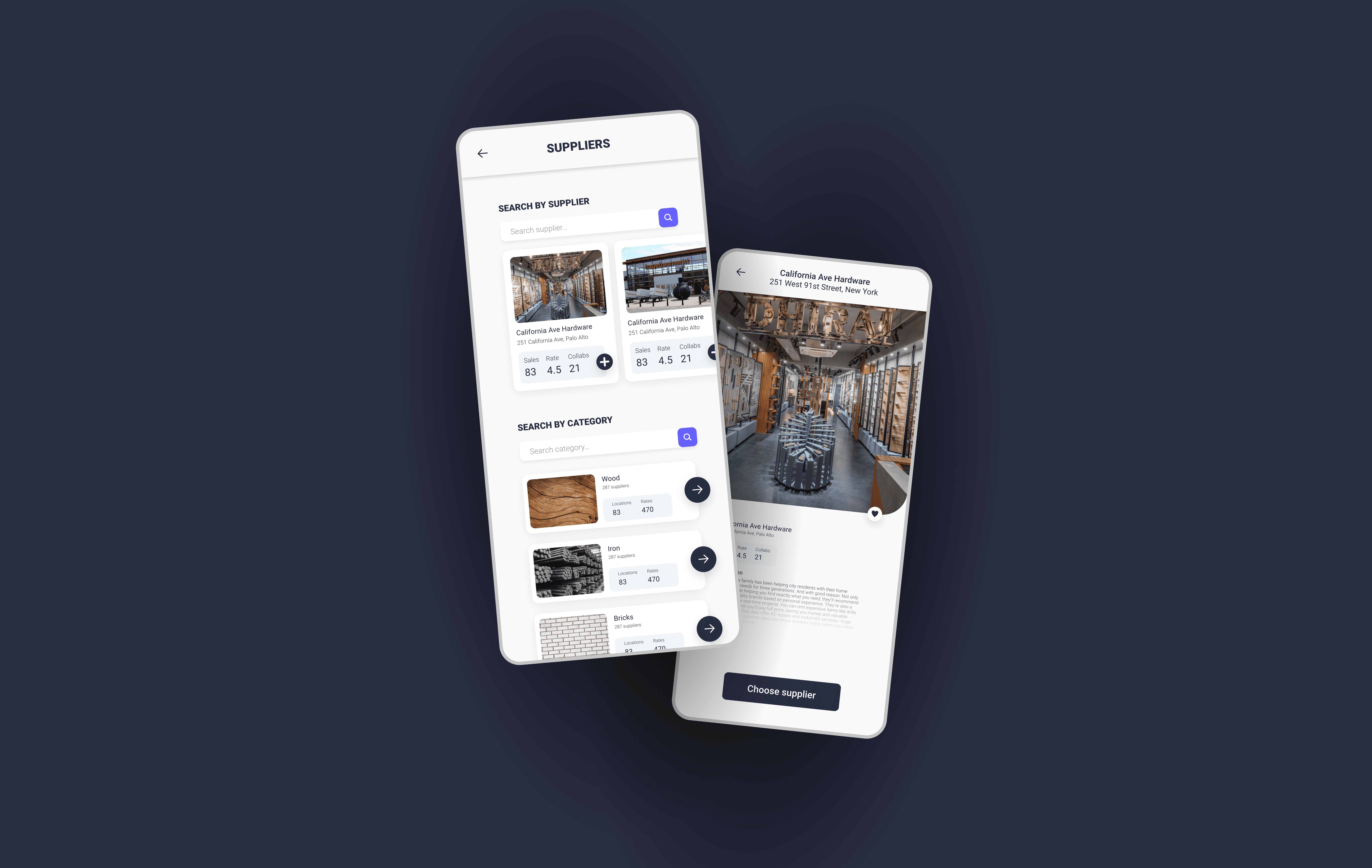
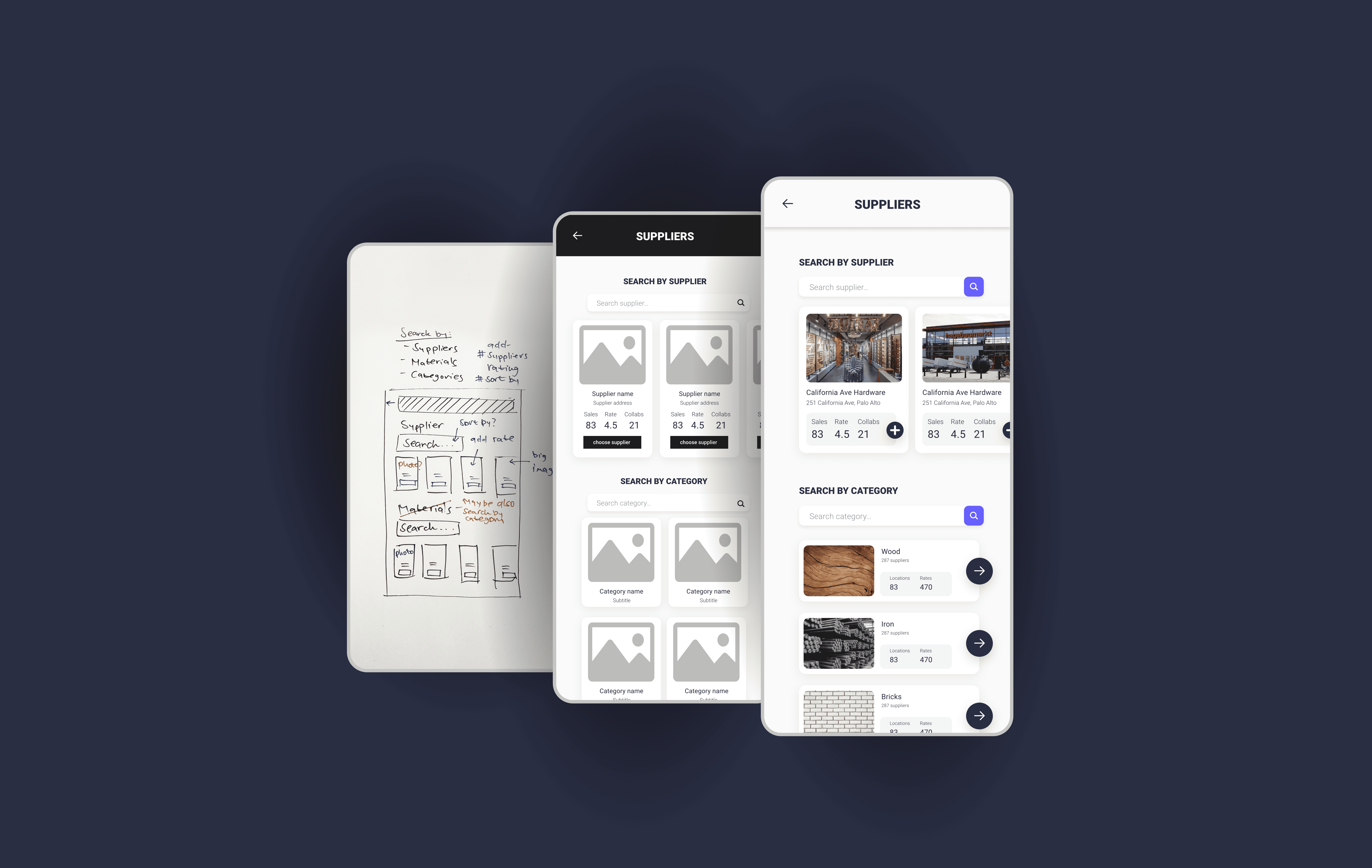
During prototyping, I translated research findings into interactive user interface representations, starting with low-fidelity wireframes to outline layout and functionality for quick iteration and feedback. I then developed high-fidelity prototypes with visual design and interactive features to simulate the user experience. User testing evaluated usability and validated design decisions, enabling me to refine the design to meet the needs of construction professionals and ensure a seamless ordering experience.
📱
1st usability test
Verifying design decisions
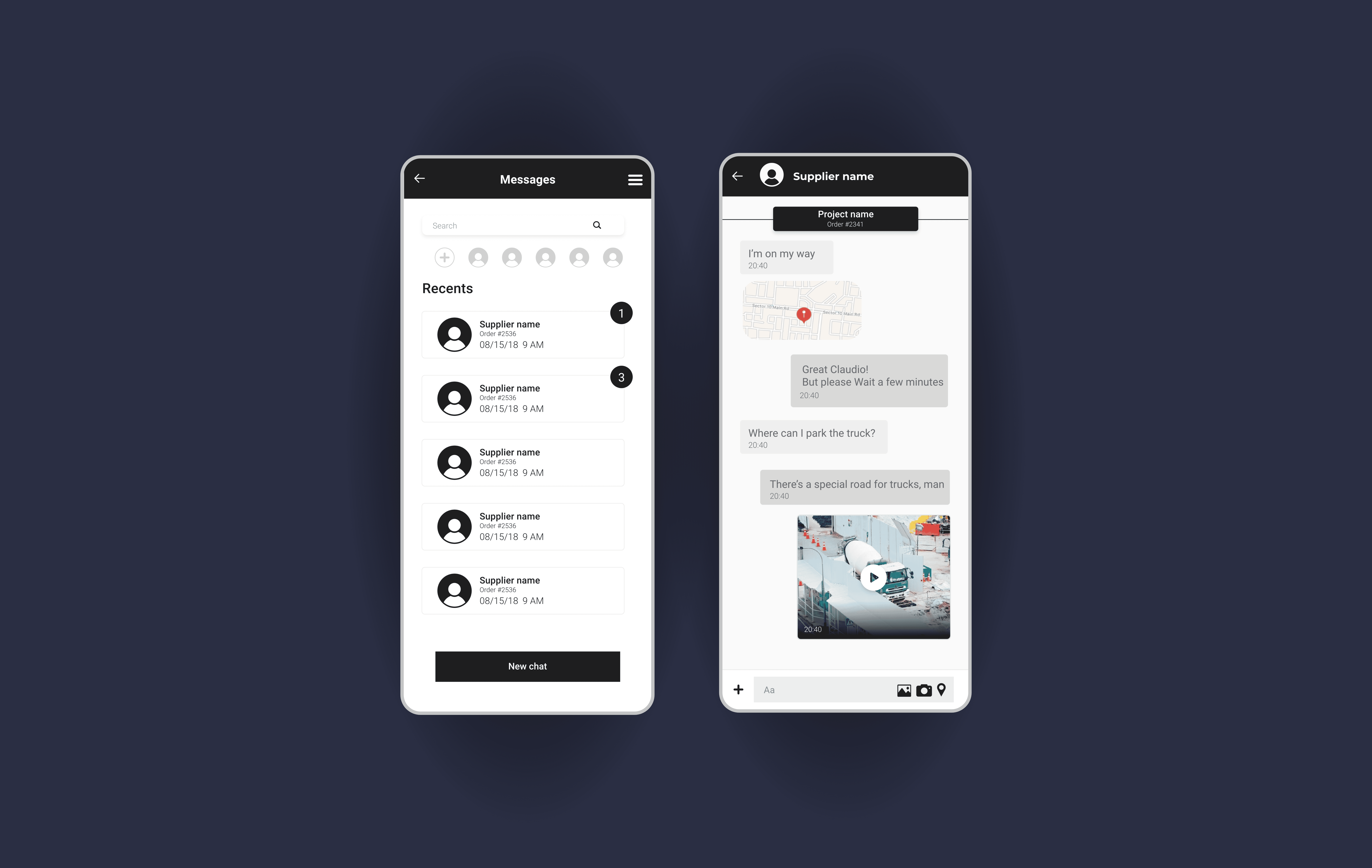
Suppliers and contractors tested the basic prototype and highlighted the lack of communication between them. They expressed a need for quick problem-solving and online communication. Initially, the prototype focused solely on process automation, neglecting interpersonal communication. To address this, I added an online chat feature allowing users to communicate, share photos and locations, and resolve issues promptly. This iteration underscored the importance of user feedback in understanding their needs, emphasizing the crucial role of communication in the development process.
🛠️
Testing the Prototype
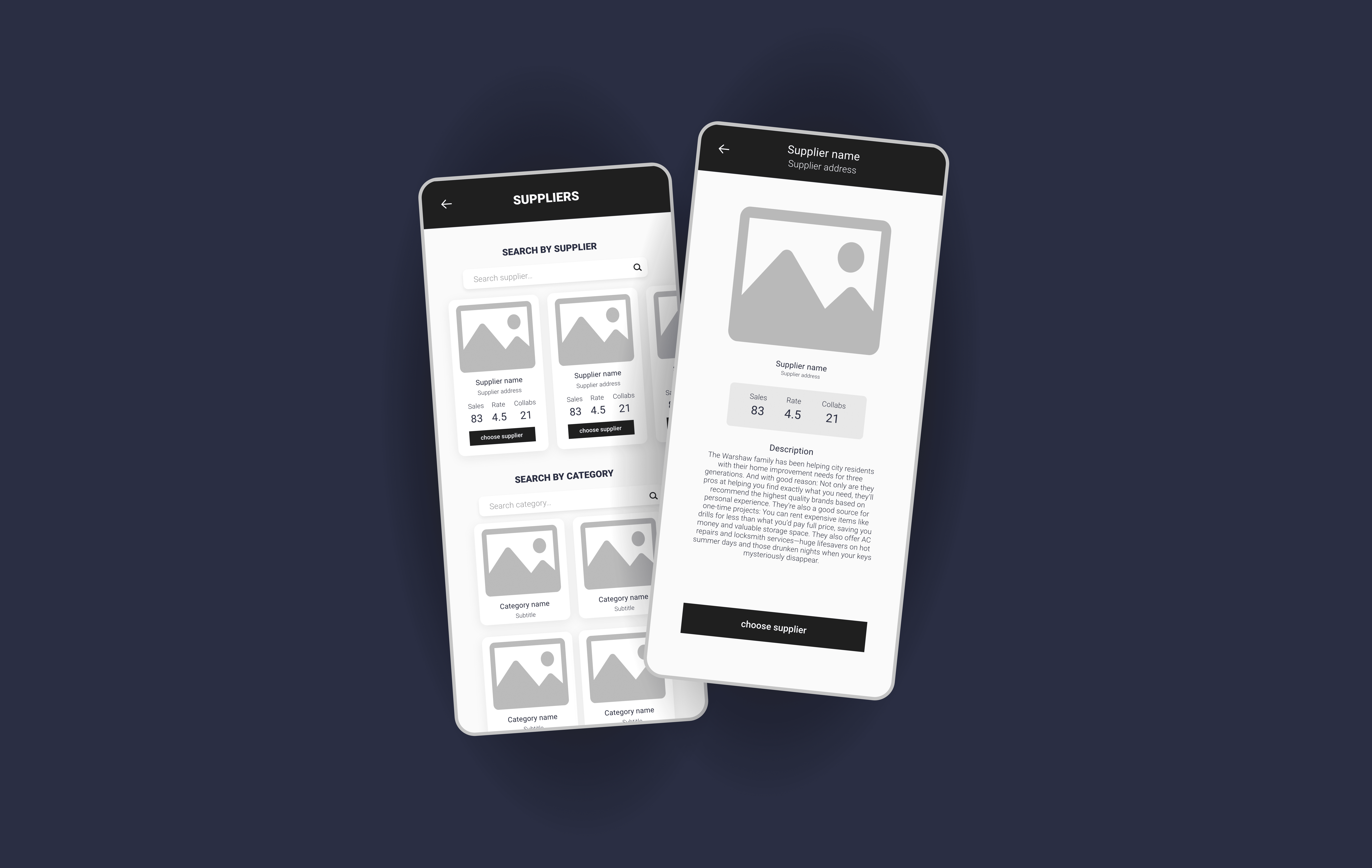
The prototype usability test included diverse users from the construction industry. Participants performed tasks like browsing materials, placing orders, and tracking deliveries. Feedback was gathered through interviews and surveys.
Enhancing the Ordering Experience
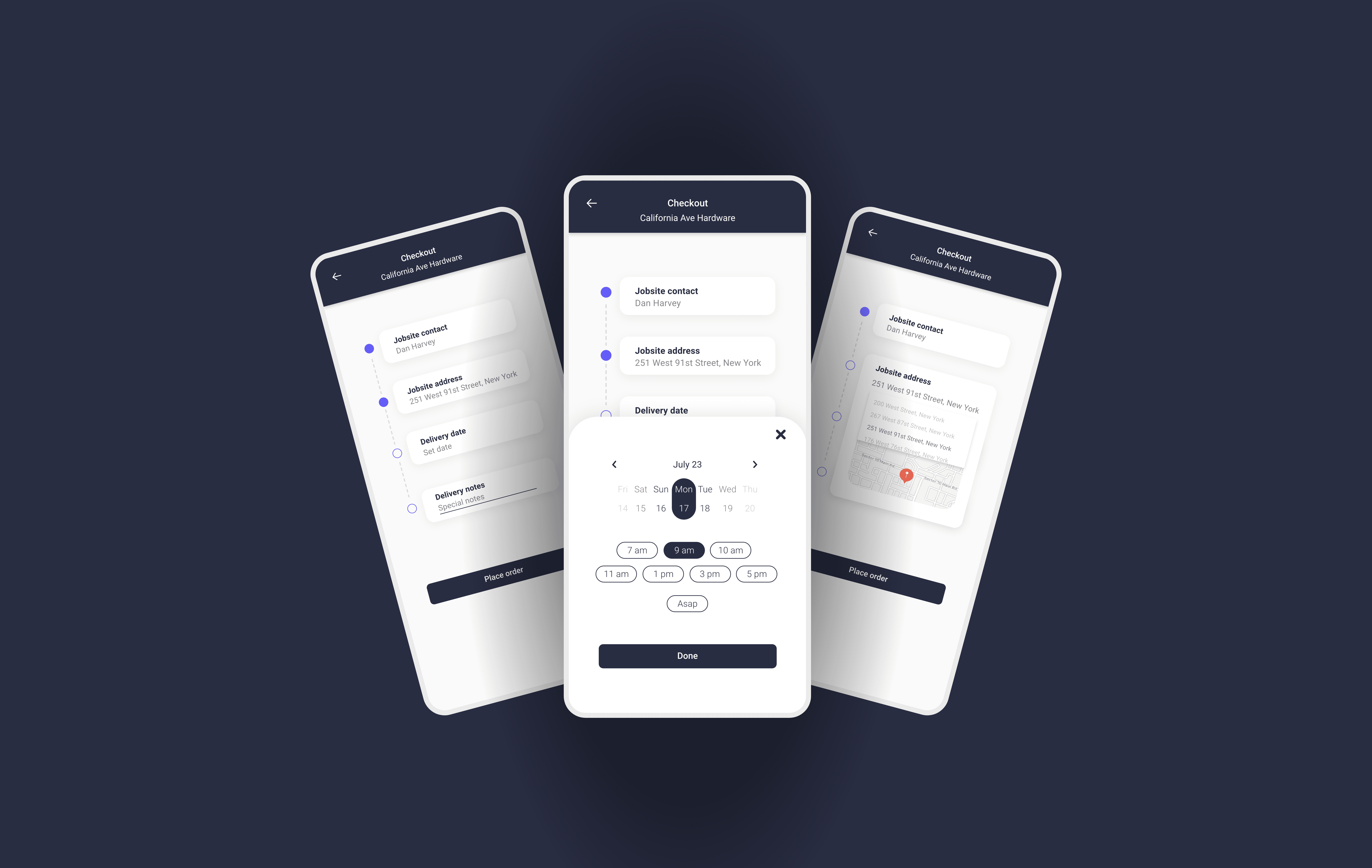
Participants faced challenges customizing orders, specifying quantities, and selecting delivery options. To address this, the ordering process was redesigned for clarity and user-friendliness. Clearer prompts, simplified steps, and more customization options were added to enhance the user experience.

Optimized Mobile Experience
Recognizing the importance of mobile accessibility, we optimized the interface for various devices. Responsive design elements were introduced to ensure a seamless and consistent experience across different screen sizes, catering to users who frequently access the app on the go.
Visibility of Order Status
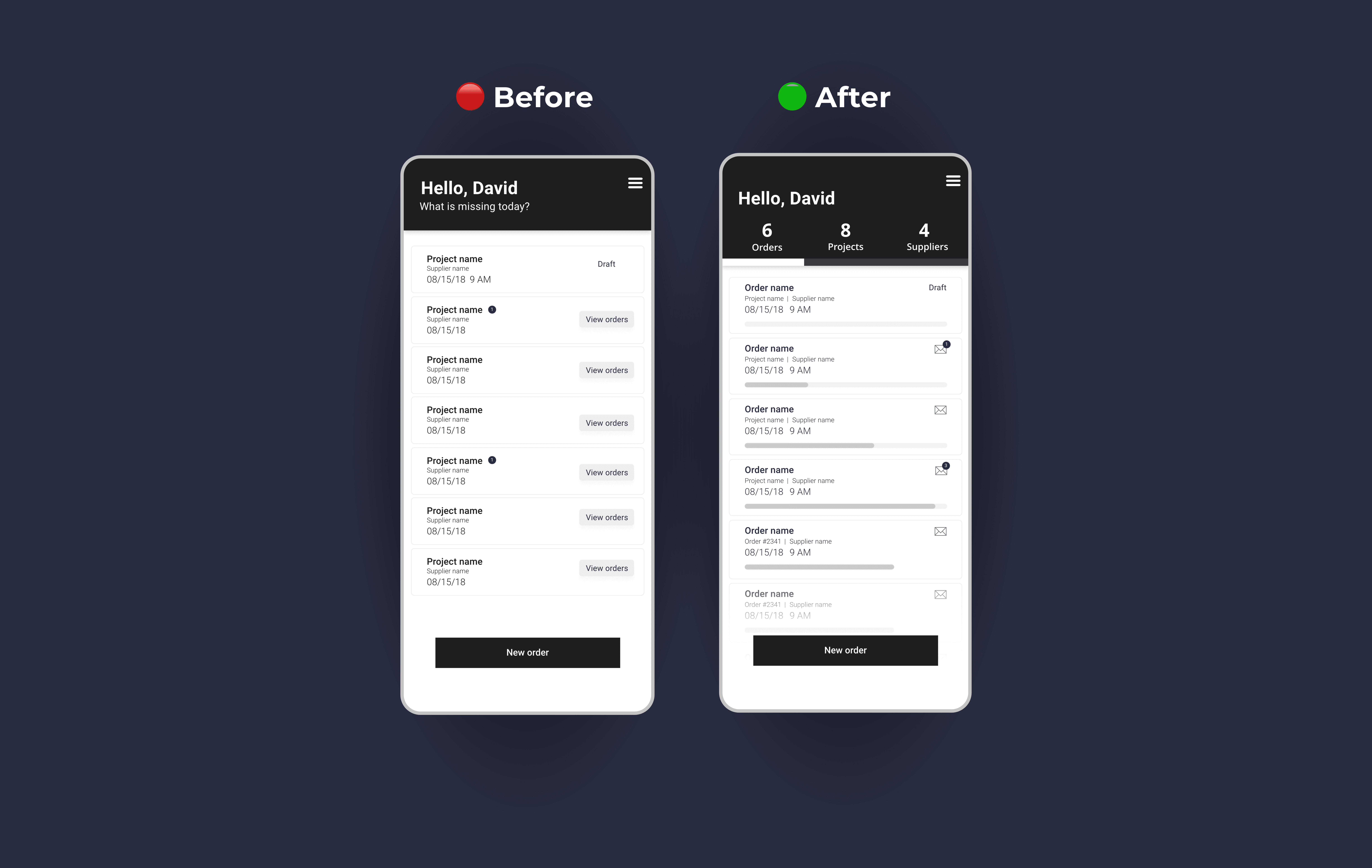
Users desired better visibility into their order status, including real-time updates on processing, shipping, and delivery. The order tracking feature was enhanced to offer real-time updates, including notifications for order confirmation, shipment tracking, and delivery status, addressing user feedback.
🎨
Design system
Simplicity, Clarity, and Vibrance
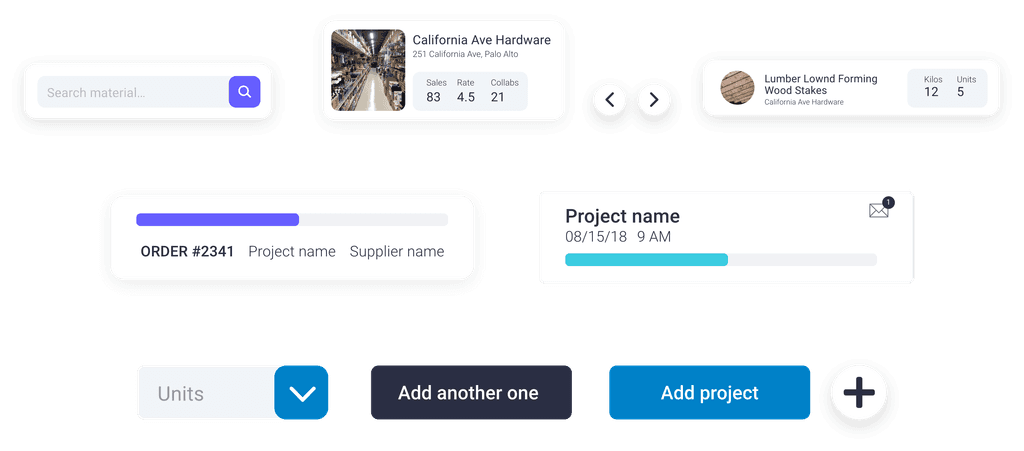
The design system of the app embodies simplicity, clarity, and a vibrant aesthetic. It utilizes bright colors, predominantly white backgrounds, and blue components to create a visually appealing and user-friendly interface. The white background provides a clean and minimalist canvas for content and elements to stand out. Blue components, likely chosen for their associations with trust, reliability, and professionalism, serve as accents to highlight key features and interactions within the app. This design system prioritizes simplicity and clarity, ensuring that users can easily navigate the app, understand its functionality, and accomplish tasks efficiently.
Colors
Typography
Headline
Paragraph
Roboto regular
Tailoring Dedicated Experiences for Suppliers and Contractors
Another challenge that I did not consider in advance - both the application and the website will have the same interface for two different users - suppliers and contractors. Therefore, it is necessary to create a clear separation between the two and create a dedicated interface for each of the users.