Liberdy
UI Design | data sharing & rewarding app

Personal note
Unlike previous projects, my role was focused solely on app design, without UX involvement. I joined after the team completed research, strategy, and user testing, and I created a design system for the working prototype. This experience offered valuable insights, and I'm excited to share it with you.
For the best experience, I recommend viewing this case study from a desktop
About the project
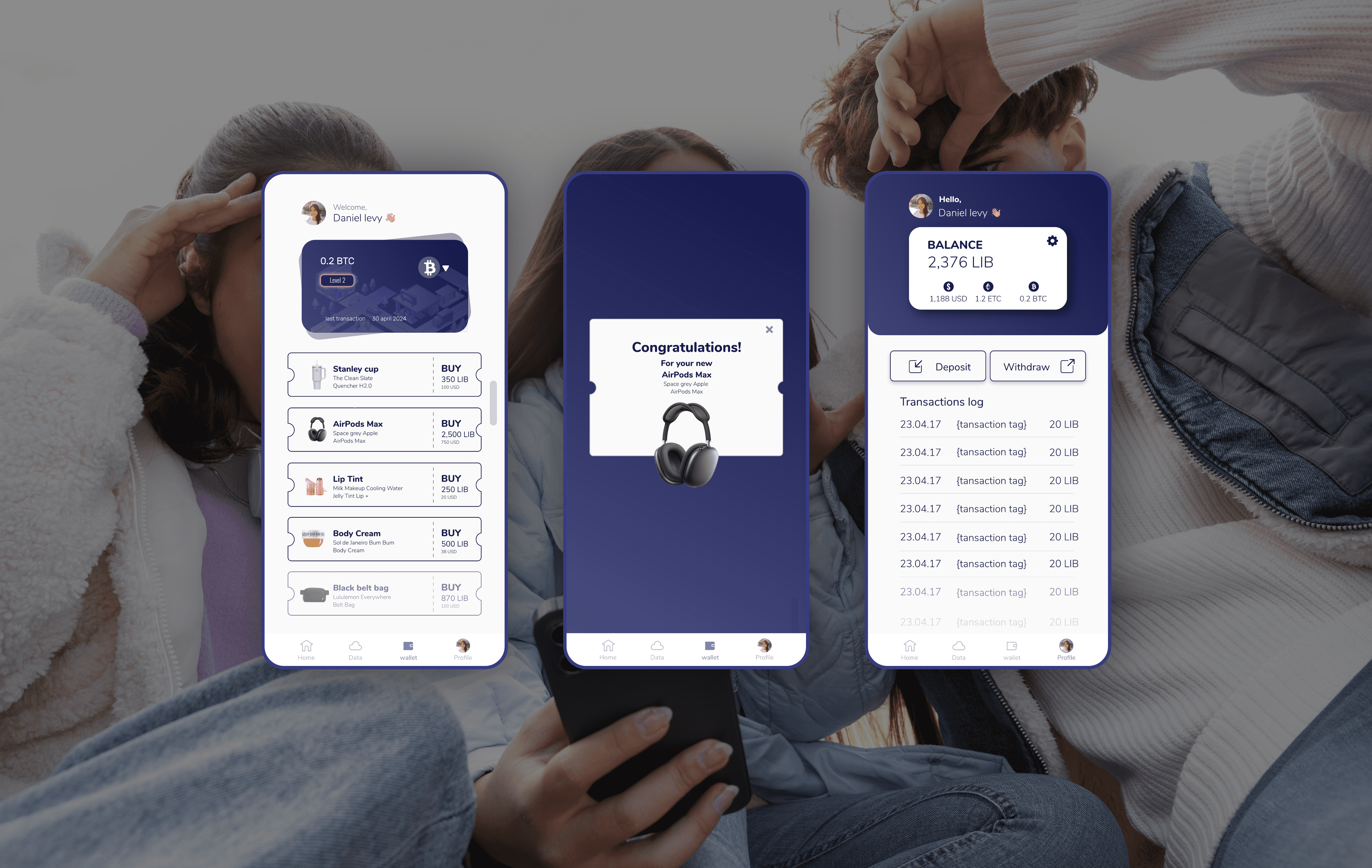
Liberdy is a revolutionary app that empowers users to share personal data with social apps in a privacy-conscious way, earning digital coins for online benefits. Its intuitive UX/UI design ensures secure and user-friendly data sharing, allowing users to participate in the data economy and make informed choices while earning rewards.
The road map
🏔️
The challenges
Data Visualization
Visualizing data-sharing processes and transactional elements within the app's interface while maintaining clarity was challenging. Balancing simplicity with conveying complex data relationships and interactions was one of the main UI challenges.
Minimalism vs. Information Density
Balancing minimalist design aesthetics with the need for sufficient information and functionality is crucial. Millennials and Gen Z users value simplicity and clarity but also expect easy access to relevant content and features without compromising aesthetics.
Value Proposition Clarity
The app must clearly communicate the benefits and value proposition of sharing personal data. Millennials and Gen Z users are more likely to engage if they understand what they are gaining.
Transparency and Trust
Establishing trust is crucial in persuading users to share their data. The app’s UI design should prioritize transparency by providing clear explanations of how user data will be used, stored, and protected.
The research
Collect data
User Surveys and Interviews
We conducted thorough user surveys and interviews to understand Millennials' and Gen Z's preferences and pain points. Direct engagement provided qualitative data on attitudes towards data sharing, expectations from Liberdy, and valued UI features.
User Testing and Feedback
We conducted user testing sessions with app UX prototypes to gather feedback and iteratively refine designs based on user preferences. Observing user interactions and soliciting feedback provided valuable insights into what resonated with users and areas for improvement.
Competitive Analysis
We conducted a comprehensive analysis of competing apps targeting similar demographics, benchmarking our UI design against industry leaders. This helped identify successful strategies for engaging Millennials and Gen Z, informing our design decisions and prioritizing features.

Gen Z
needs
Gen Z values authenticity, personalization, and social connection. They seek unique app experiences for self-expression and authentic connections, prioritizing convenience and seamless social media integration.
Goals
Gen Z users use apps to curate their digital identity, discover content, and connect with peers. They may use Liberdy to earn rewards, access personalized recommendations, and connect with like-minded individuals, aiming for maximum benefits with minimal effort.
Pain points
Gen Z users may be wary of sharing personal information online due to concerns about privacy and data security. Additionally, they may experience frustration with apps that lack intuitive interfaces or fail to deliver on their promises of personalization and social connection.

Millennials
needs
Millennials value convenience, efficiency, and value for money. They seek apps that simplify daily tasks, offer tangible benefits or rewards, and enhance their quality of life. Prioritizing alignment with their values, such as sustainability and social responsibility.
Goals
Millennials may use Liberdy to optimize their digital experiences, streamline online activities, and make informed decisions about data sharing. They aim to leverage technology for productivity, creativity, and well-being while maintaining control over personal information.
Pain points
Millennials may feel overwhelmed by apps with irrelevant content or intrusive ads. Concerns about long-term data sharing implications, like data breaches or identity theft, may arise. They may also feel disillusioned with apps prioritizing profit over user experience or failing to deliver on promises.

🎉
Research insights and conclusions
Both Gen Z and Millennials seek personalized experiences, value data transparency and control, and prioritize social connection and authenticity. They are open to apps like Liberdy that incentivize data sharing but are cautious about privacy and security. Therefore, designing an app UI emphasizing transparency, user control, and personalized rewards while fostering community trust is crucial. Seamless social media integration and mobile-first design are key for engagement and retention. Overall, aligning the UI with their preferences, goals, and values is essential for a compelling app experience.
Design inspirations
Dynamic and Interactive Components
Dynamic and interactive components, such as animations and micro-interactions, enhance user engagement. Subtle animations for feedback and progress indicators encourage sustained interaction, creating a memorable experience.
Personalization and Customization Features
Integrating personalization and customization features throughout the design system allows users to tailor their experience. Personalized recommendations and user-configurable settings enhance satisfaction and foster a sense of ownership over the app experience.
Transparent Data Usage Visualization
Transparently visualizing data usage and sharing processes within the design system builds user trust. Including visualizations like data flow diagrams and privacy settings empowers informed decisions.
🎨
Crafting The Design system
The design system for Liberdy incorporates a harmonious balance between dark and bright shades of purple, reflecting the app’s identity and branding. The use of purple conveys a sense of creativity, luxury, and sophistication, appealing to both Gen Z and Millennials. The dark purple tones exude elegance and depth, while the bright purples add vibrancy and energy to the interface, creating visual interest and contrast.
Colors
Typography
Headline
Paragraph
Nunito Regular
Urban Inspired Design
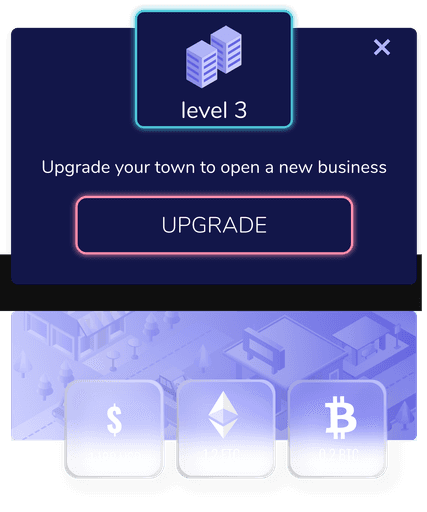
The design system embraces a city motif, drawing inspiration from urban landscapes and cityscapes. The app is envisioned as a digital town where users can navigate and interact with various features and functionalities, akin to exploring a bustling city. Illustrations of city elements such as skyscrapers, streets, parks, and landmarks are integrated throughout the design system to reinforce the city motif and create a cohesive visual narrative and gamification. These city-like illustrations serve multiple purposes:
Visual Metaphor
he city motif serves as a visual metaphor for the digital ecosystem of “Liberdy,” where users navigate through different areas or districts within the app, each offering unique experiences and opportunities for engagement.
Atmosphere and Ambiance
The illustrations of cityscapes and urban environments contribute to the overall atmosphere and ambiance of the app, immersing users in a dynamic and vibrant digital landscape that mirrors the energy and excitement of a bustling city.
Brand Identity
The city illustrations help to establish a distinctive brand identity for “Liberdy,” distinguishing it from other apps and platforms and reinforcing its urban-inspired aesthetic.
UI components

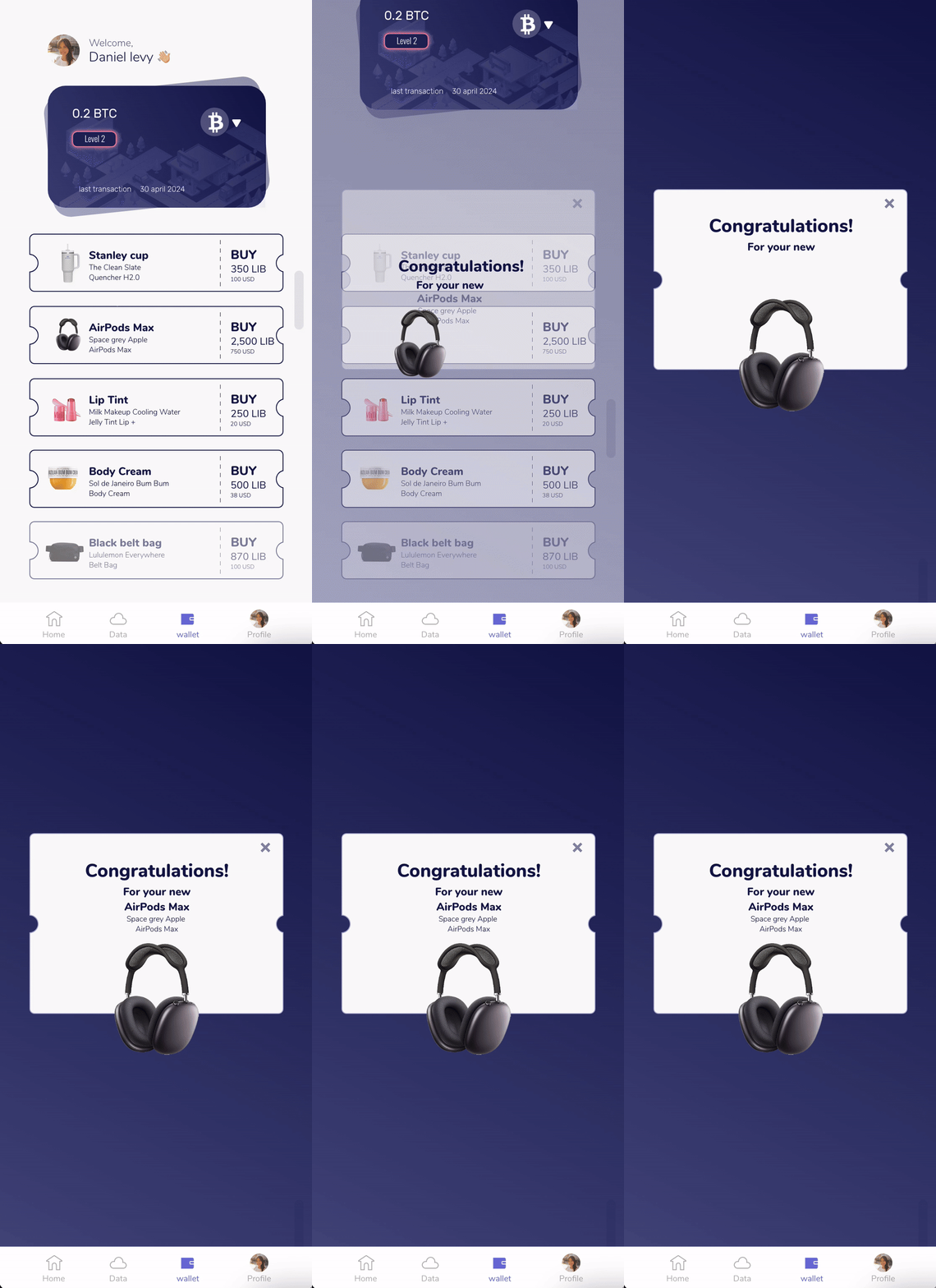
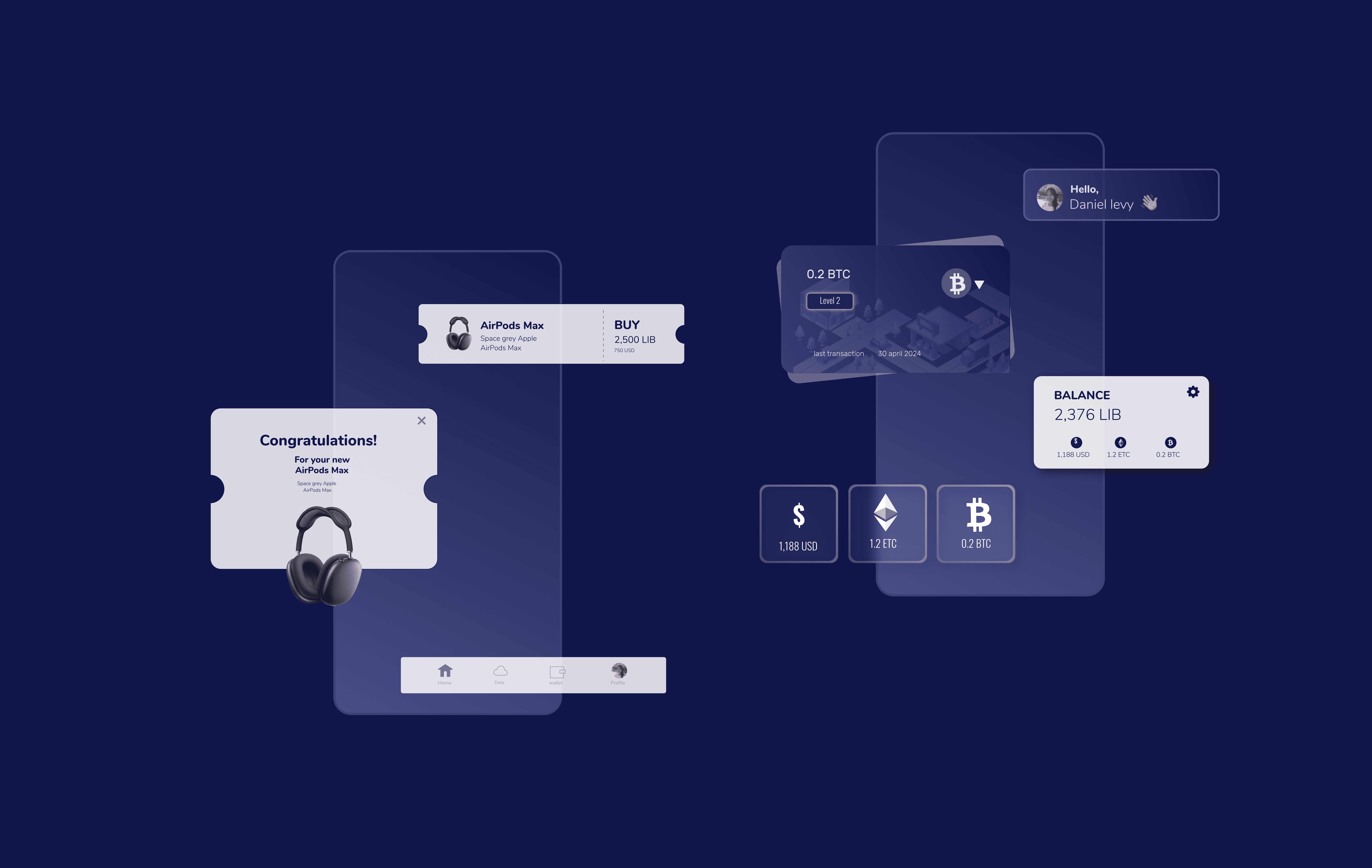
Enhancing User Engagement with Micro-Animations
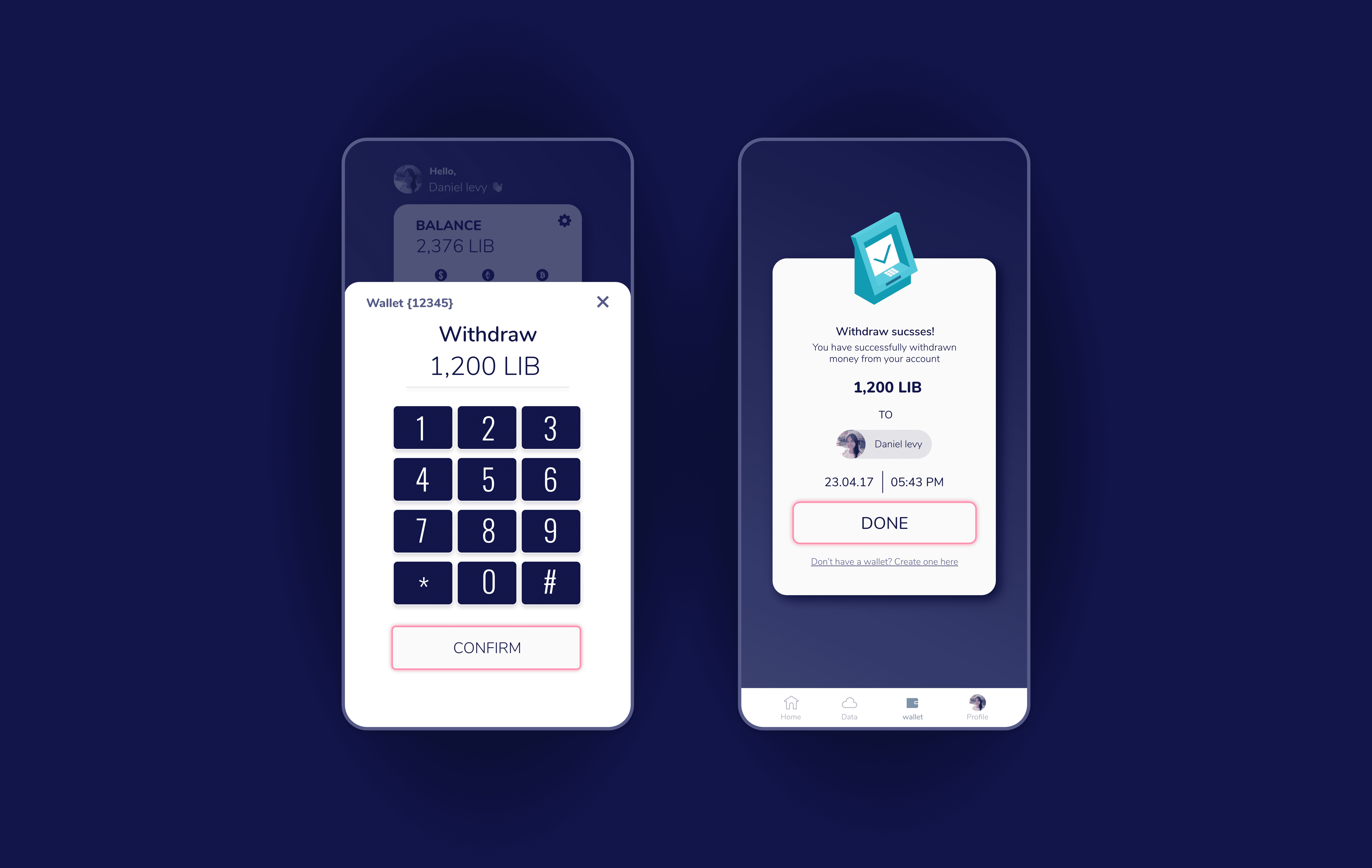
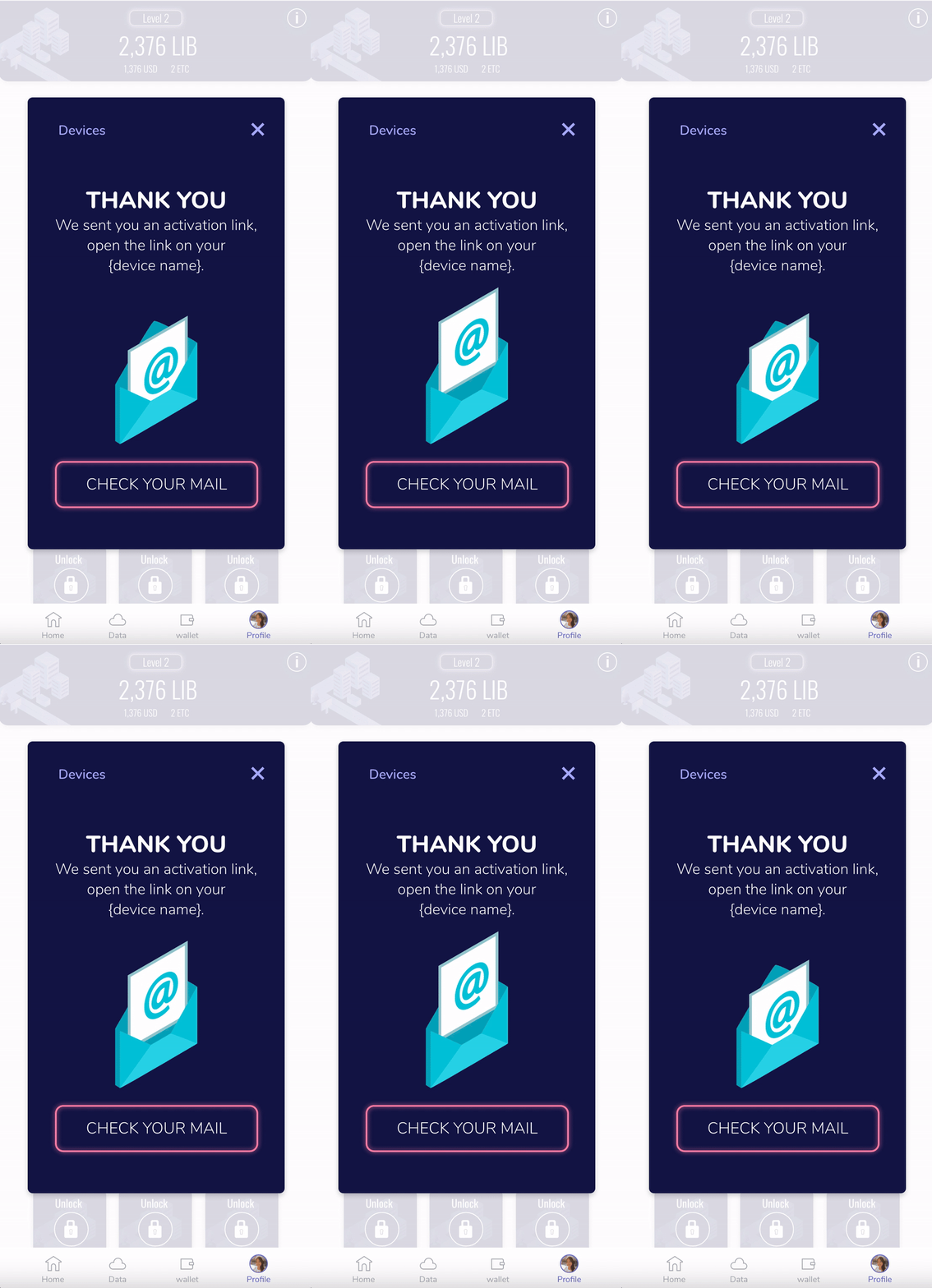
Micro-animations were included in the app to create an engaging and responsive user experience for Gen Z and Millennials. These demographics value seamless digital interactions and visually captivating interfaces. Micro-animations provide instant feedback, enhance usability, and add playfulness to the interface, meeting user expectations. For users valuing personalized and interactive experiences, these subtle animations enhance app interaction, increasing engagement and satisfaction.
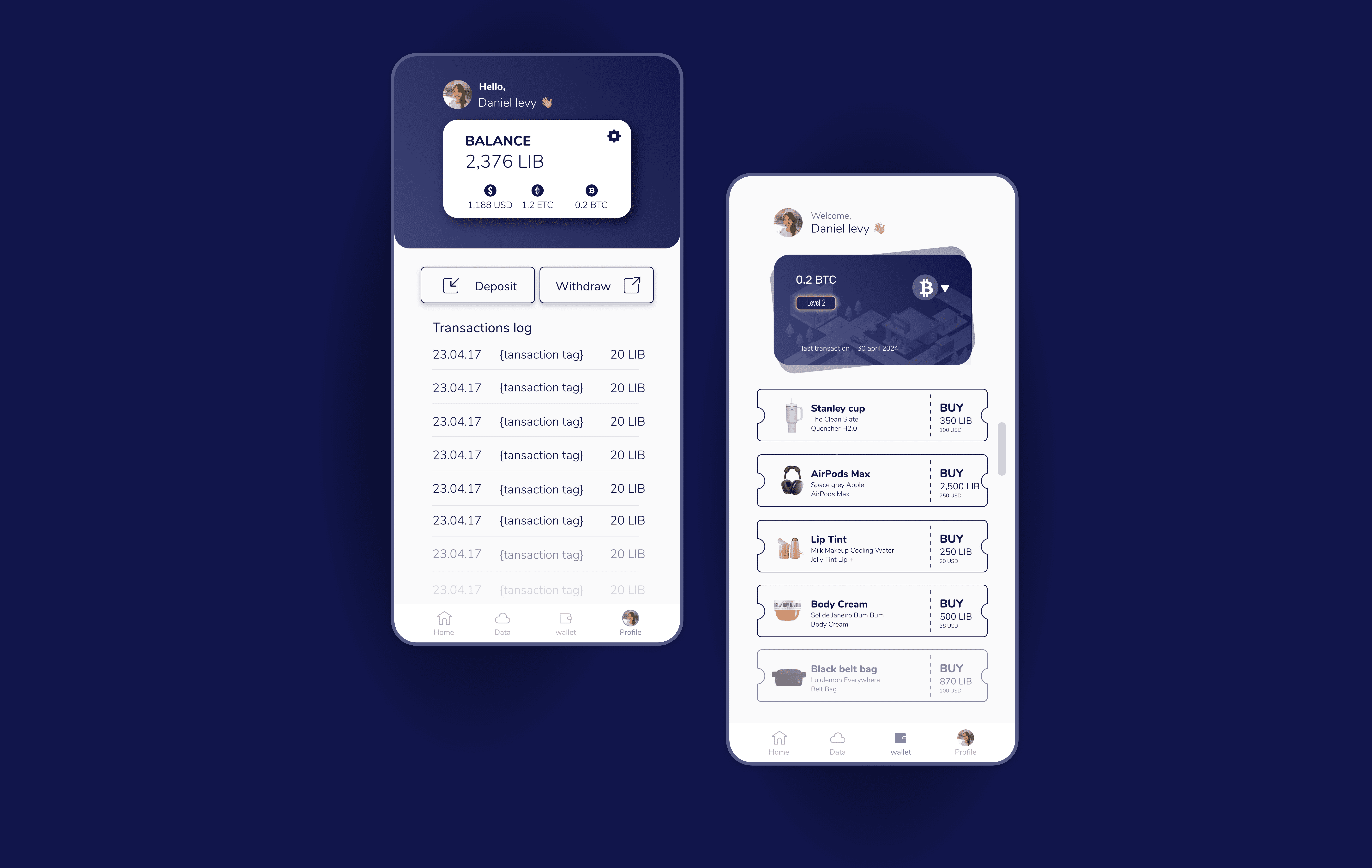
Balance screen
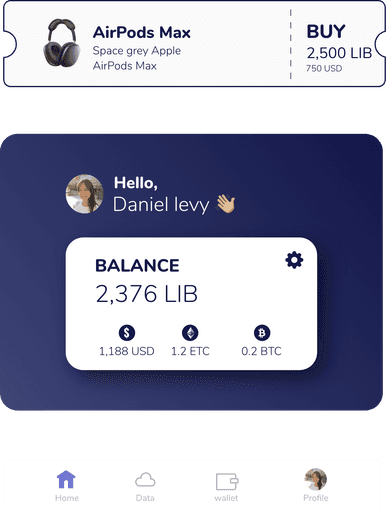
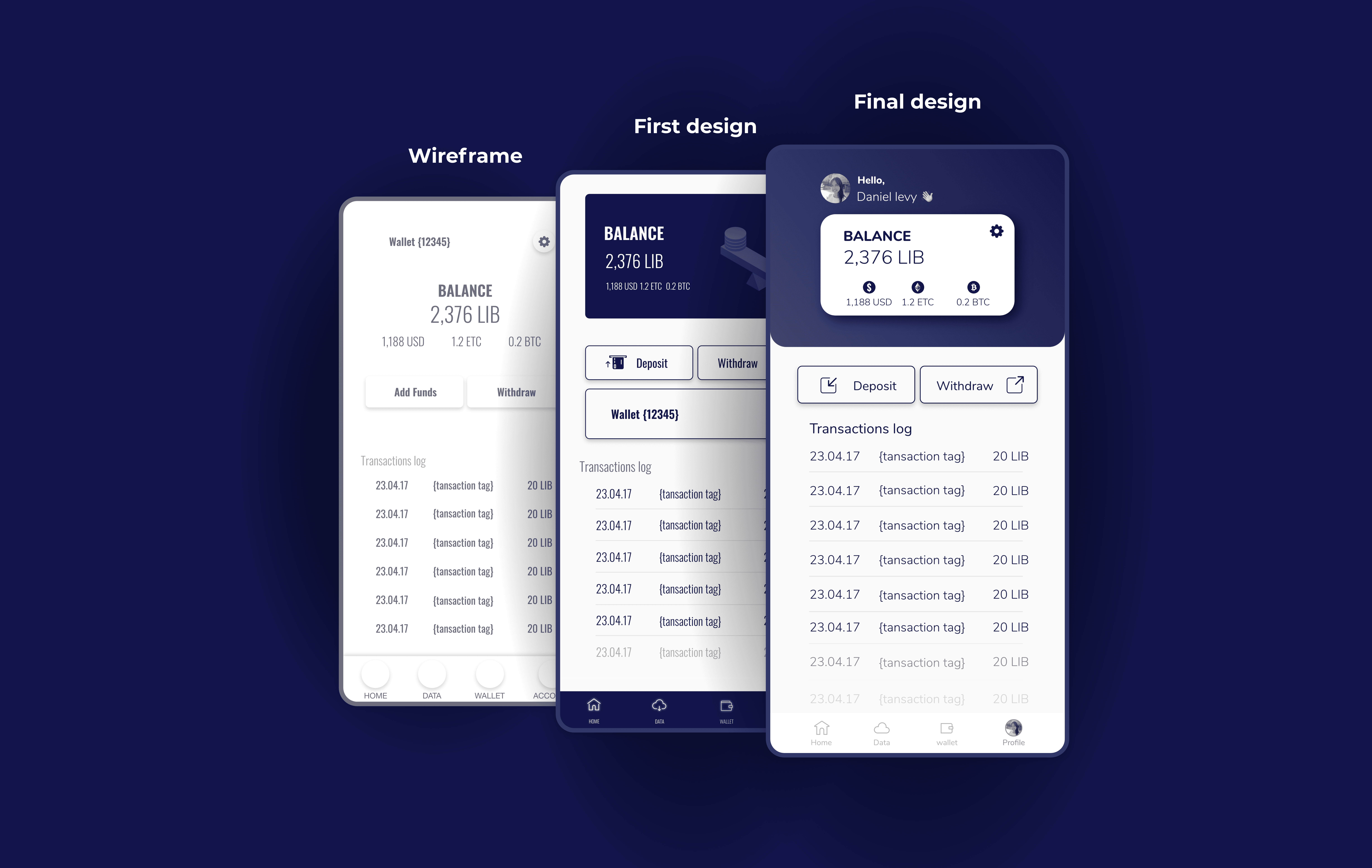
Initially, the wireframe and first design sketch were technical and straightforward. However, recognizing its importance, I refined the design to a minimalist and clean aesthetic in the final iteration. This aimed to streamline the user experience for clarity and ease of use. Simplifying the design enhances usability and visual appeal, prioritizing the user's quick and intuitive access to financial information.
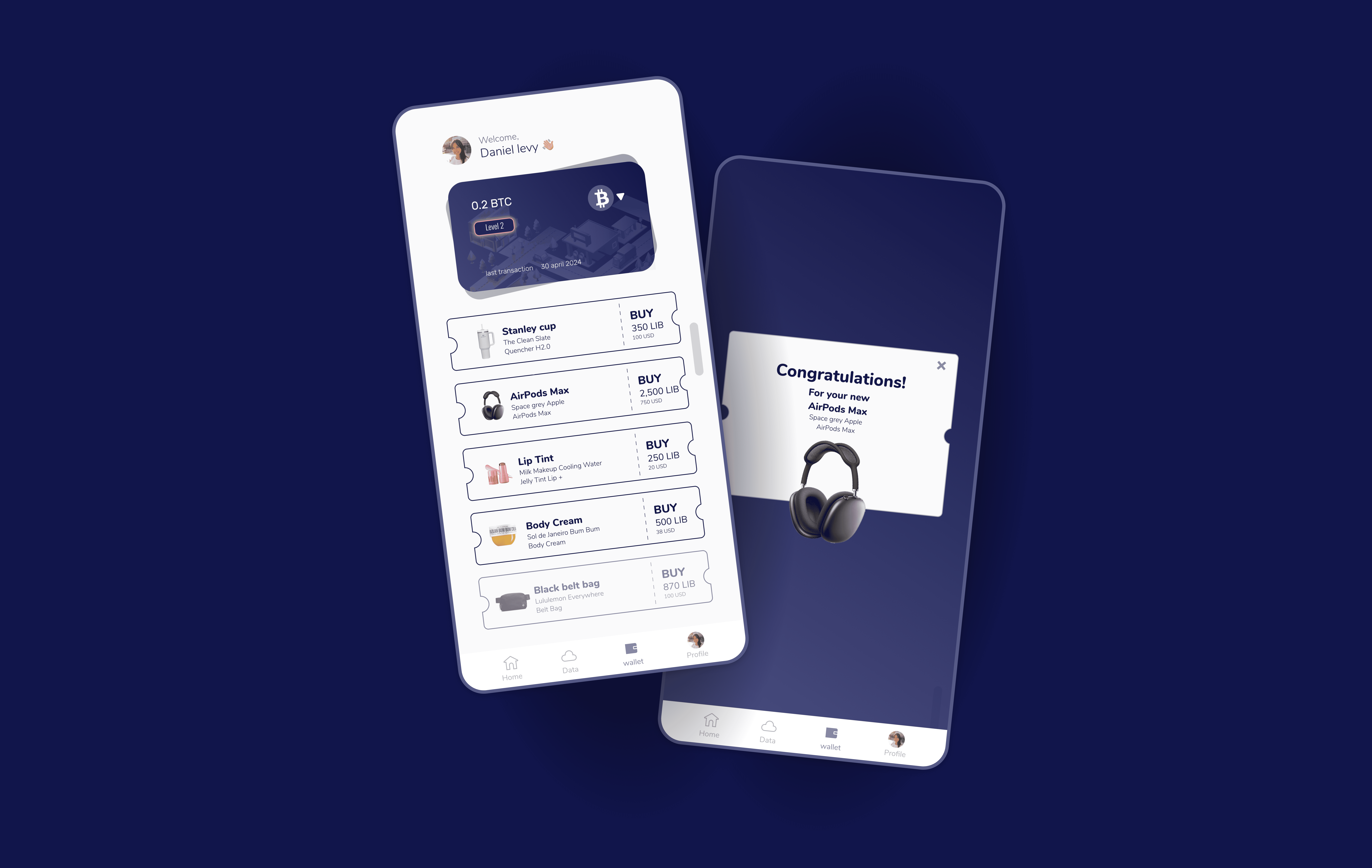
Seamless Transitions and Micro-Animations
I incorporated transitions and micro-animations in some screens to create a seamless and engaging user experience, enhancing flow between app sections and providing intuitive navigation. These dynamic elements, like screen fades and button ripples, create continuity and progression, making the app feel responsive and polished. They contribute to immersive user interaction, enhancing satisfaction and retention.